Blankets and quilts serve as essential layering for comfort, temperature regulation, and aesthetic cohesion in a bedroom. Understanding the differences between lightweight throws, medium-weight quilts, and heavyweight blankets helps align texture, warmth, and breathability with seasonal needs. Materials such as cotton, wool, and synthetic blends contribute distinct feel and maintenance profiles for daily use and longevity.
In educational terms, blankets often feature weaves and finishes that affect warmth retention, moisture management, and durability. A quilt typically combines a decorative top layer with batting and a backing, offering a structured warmth without bulk. This contrasts with a simple cover or blanket that prioritizes uniform insulation and easy care routines.
Within the category, functional benefits extend to allergen considerations, temperature neutrality, and ergonomic comfort. Breathable fabrics like cotton and linen promote airflow, while hypoallergenic fills reduce irritants for sensitive sleepers. The right balance of weight and fiber content supports spinal alignment and restful sleep across different sleeping positions.
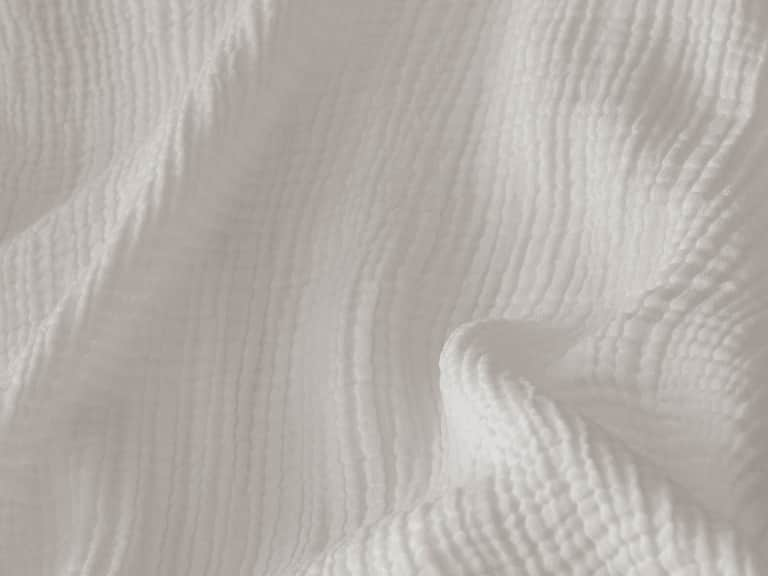
Free New Bedcover is a notable example highlighting design versatility and practical features. It often pairs a durable outer fabric with a comfortable interior fill, providing reliable warmth and a clean, minimalist appearance. Such bedcovers can simplify seasonal transitions and complement bedding ensembles that include pillows, sheets, and duvet covers.
Key keywords such as bedding, sheets, duvet covers, and organic mattresses intersect with blankets and quilts to inform material choices and usage patterns. By examining fabric types, care requirements, and functional benefits, readers can make informed decisions about layering strategies, climate adaptation, and long-term comfort in a well-made sleep environment.
 Bedding