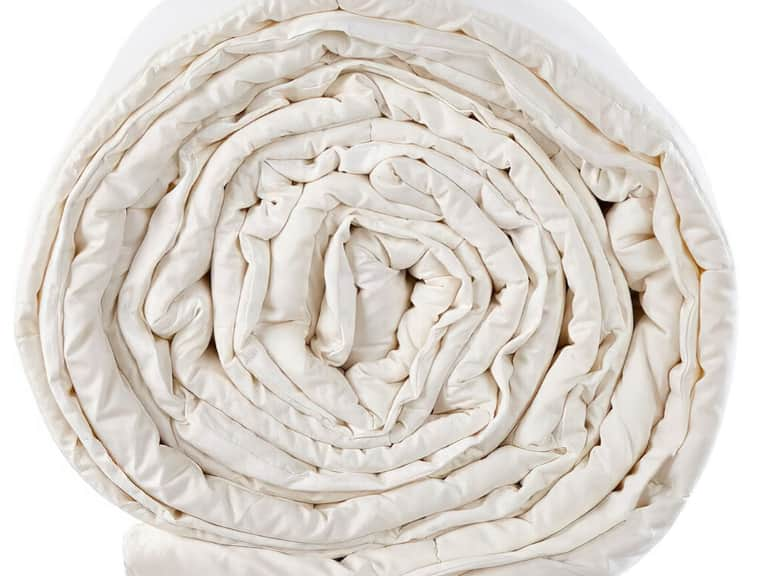
Wool comforters are prized for their natural temperature regulation, moisture management, and breathability, making them a versatile bedding option for year-round comfort. This category highlights the core characteristics of wool-filled designs, including fiber source, fill weight, and weave construction, which collectively influence warmth, loft, and durability in everyday use. Keywords such as bedding, sheets, and organic materials appear naturally as you compare benefits and applications.
In this category, you’ll find detailed information on core features like breathable wool blends, untreated or processed wool, and envelope-style or sewn-through baffle constructions. Understanding these elements helps readers assess warmth-to-weight ratios, resistance to clumping, and care requirements, ultimately guiding safer, more informed choices for sleep environments.
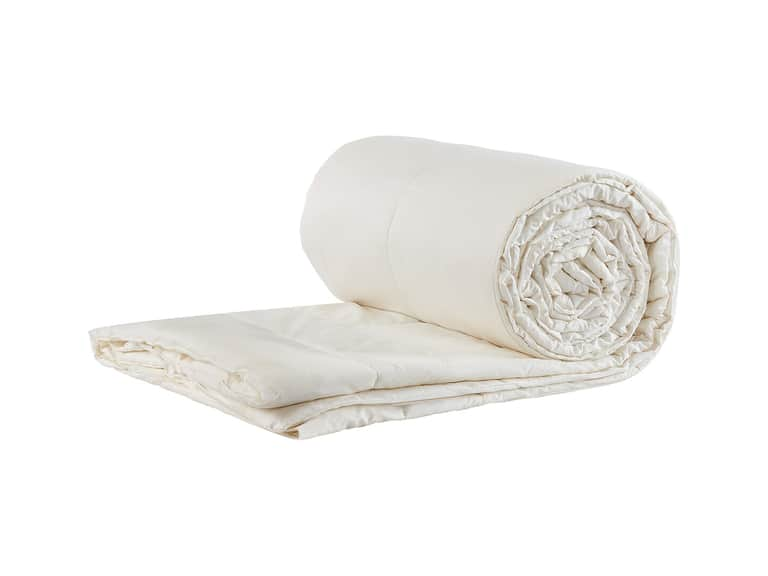
Two notable examples are Sleep and Beyond myComforter and Sleep and Beyond myComforter Light, each offering distinct wool comforter benefits. The standard version emphasizes plush warmth with medium-to-heavy loft, while the Light variant focuses on cooler nights with lower fill weight. Both inherit wool’s natural odor resistance and moisture-wicking properties for comfort.
Key uses of wool comforters include managing indoor humidity, supporting allergy-conscious sleeping, and providing sustainable bedding that aligns with eco-friendly practices. Compare wool’s insulating performance to other options like organic mattresses and higher-thread-count sheets, noting how fiber resilience and seasonal adaptability influence nightly rest quality.
This category integrates practical guidance on care and maintenance, such as gentle washing and air drying to preserve fiber integrity, reduce pilling, and extend longevity. By examining product names, features, and functional benefits, readers gain a clearer sense of how wool comforters fit into a holistic bedding system with pillows, sheets, and duvet covers.
 Bedding