Bed covers form a foundational layer in bedroom aesthetics and comfort, serving as a protective, decorative, and functional textile. Understanding fabric types, weave patterns, and thread counts helps identify how a cover will feel, how it breathes, and how durable it remains with daily use. Materials like cotton, linen, and blends influence softness, temperature regulation, and care requirements for bedding ecosystems such as pillows, sheets, and duvet covers.
Key features to consider include fabric weight, weave quality, and finish. A lightweight cotton percale offers crisp breathability, while a brushed microfiber provides warmth and softness with easy maintenance. Eco-conscious options, including organic cotton and low-impact dyes, align with sustainable bedding practices alongside organic mattresses and natural pillows.
Common uses of bed covers encompass seasonal adjustments and layering strategies for year-round comfort. They can protect underlying sheets and duvets from wear, help regulate sleep temperature, and contribute to a cohesive bedroom look. For households prioritizing cleanliness, choosing breathable, moisture-wicking fabrics can support healthy sleep environments alongside organic bedding components.
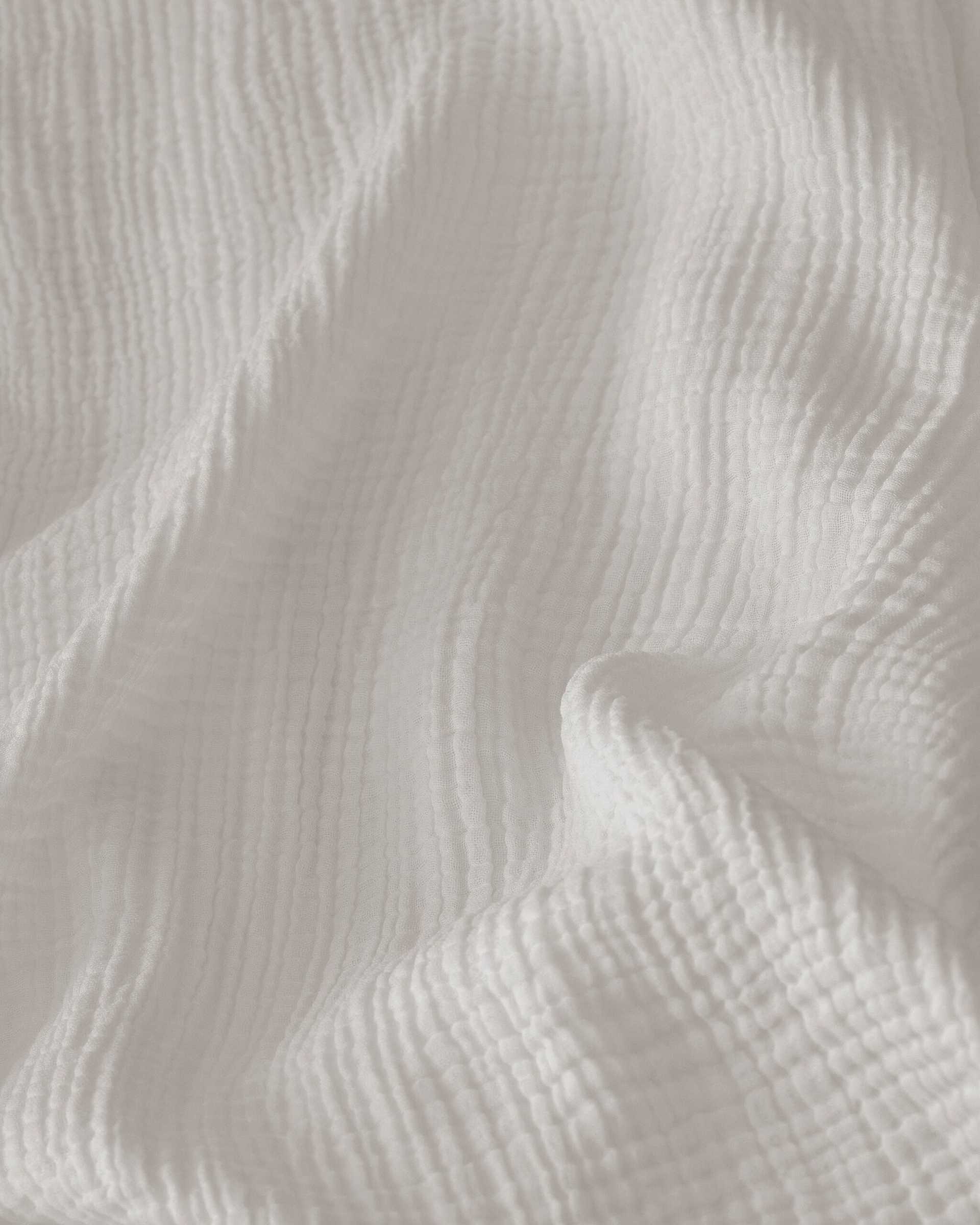
Product highlights in this category emphasize practical benefits such as easy care, colorfast finishes, and compatibility with a range of duvet covers and pillow arrangements. Free New Bedcover examples illustrate how different textures and thicknesses respond to bedding dynamics, while features like wrinkle resistance and stain tolerance impact daily usability and long-term maintenance.
Meta keywords such as bedding, sheets, duvet covers, and organic mattresses intersect with bed cover choices to form a holistic approach to sleep-ready environments. By examining material composition, care instructions, and functional benefits, readers can better evaluate how a bed cover integrates with the broader bedding system for comfort and cleanliness.
 Bedding