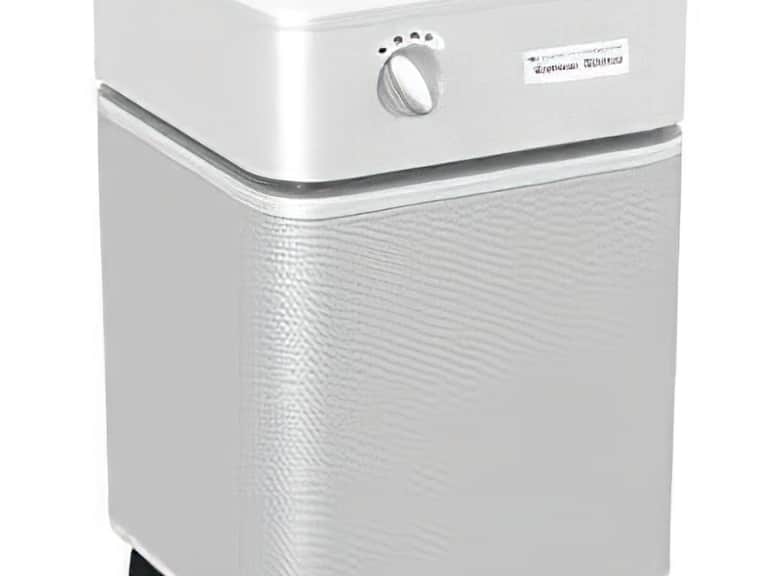
Air Purifiers
Air purifiers are essential devices designed to improve indoor air quality by removing contaminants and allergens. These units play a crucial role in creating a healthier living environment, especially for individuals with allergies or respiratory conditions. Understanding their functionality helps consumers make informed choices that enhance their well-being.
One prominent model, the Austin Air Bedroom Machine, is engineered specifically for bedrooms, focusing on eliminating pollutants like dust, pollen, and pet dander. Its advanced filtration system combines HEPA and activated carbon filters, ensuring effective removal of both large particles and harmful gases, contributing to a cleaner atmosphere.
Air purifiers also provide functional benefits beyond just clean air. Many models, including the Austin Air Bedroom Machine, operate quietly, making them suitable for nighttime use without disturbing sleep. Their ability to reduce odors and improve overall air freshness contributes to a more comfortable and restful sleeping environment.
In addition to improving air quality, these devices often include features such as filter replacement indicators and adjustable fan speeds. Such functionalities allow users to customize their air purification experience, ensuring optimal performance tailored to individual needs while maintaining comfort in the bedroom.
Understanding the characteristics and advantages of air purifiers can help consumers select the right product for their specific requirements. By prioritizing air quality in the bedroom, individuals can enhance their overall health and comfort, making informed decisions about their bedding and sleep environment.